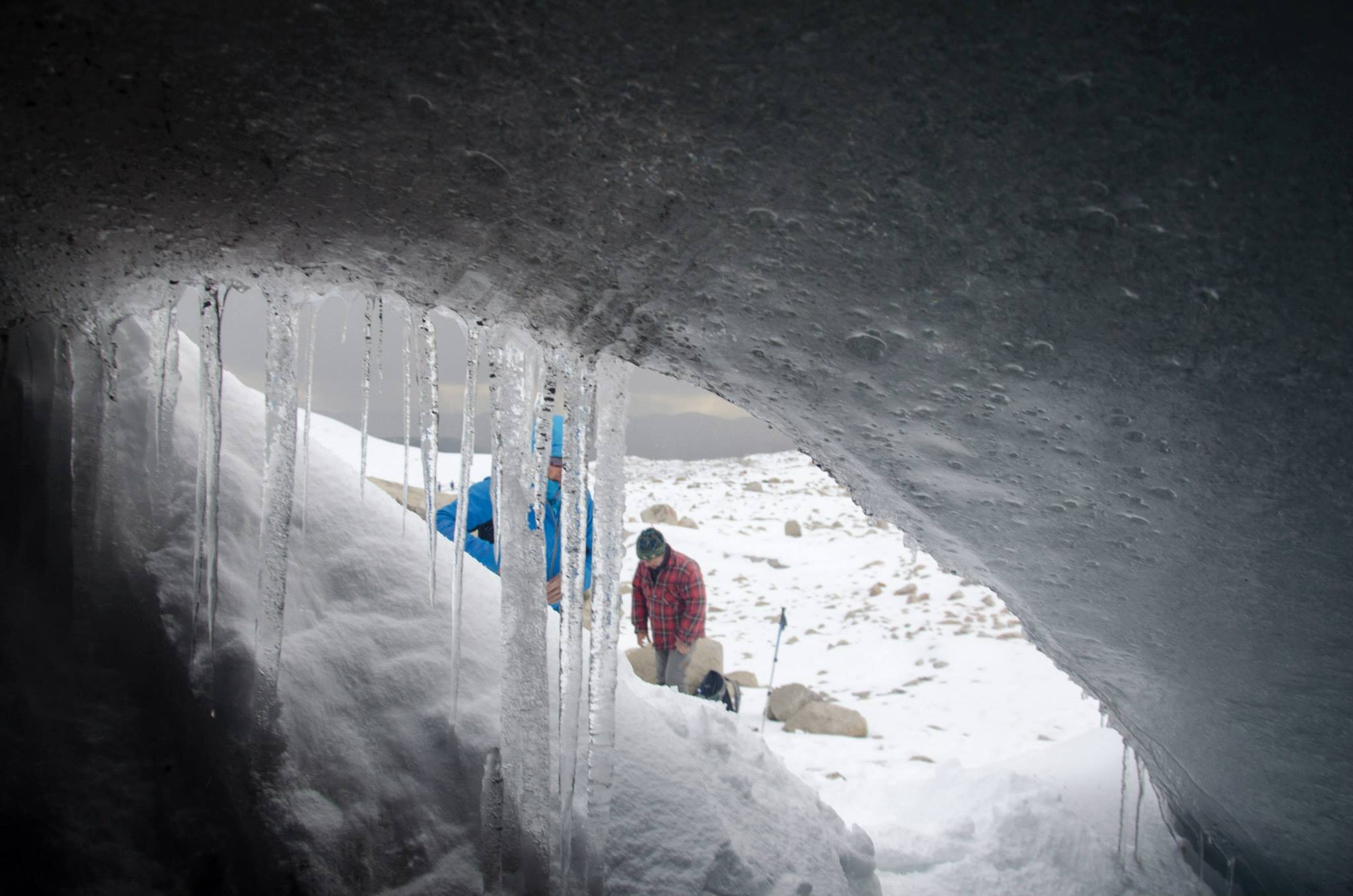
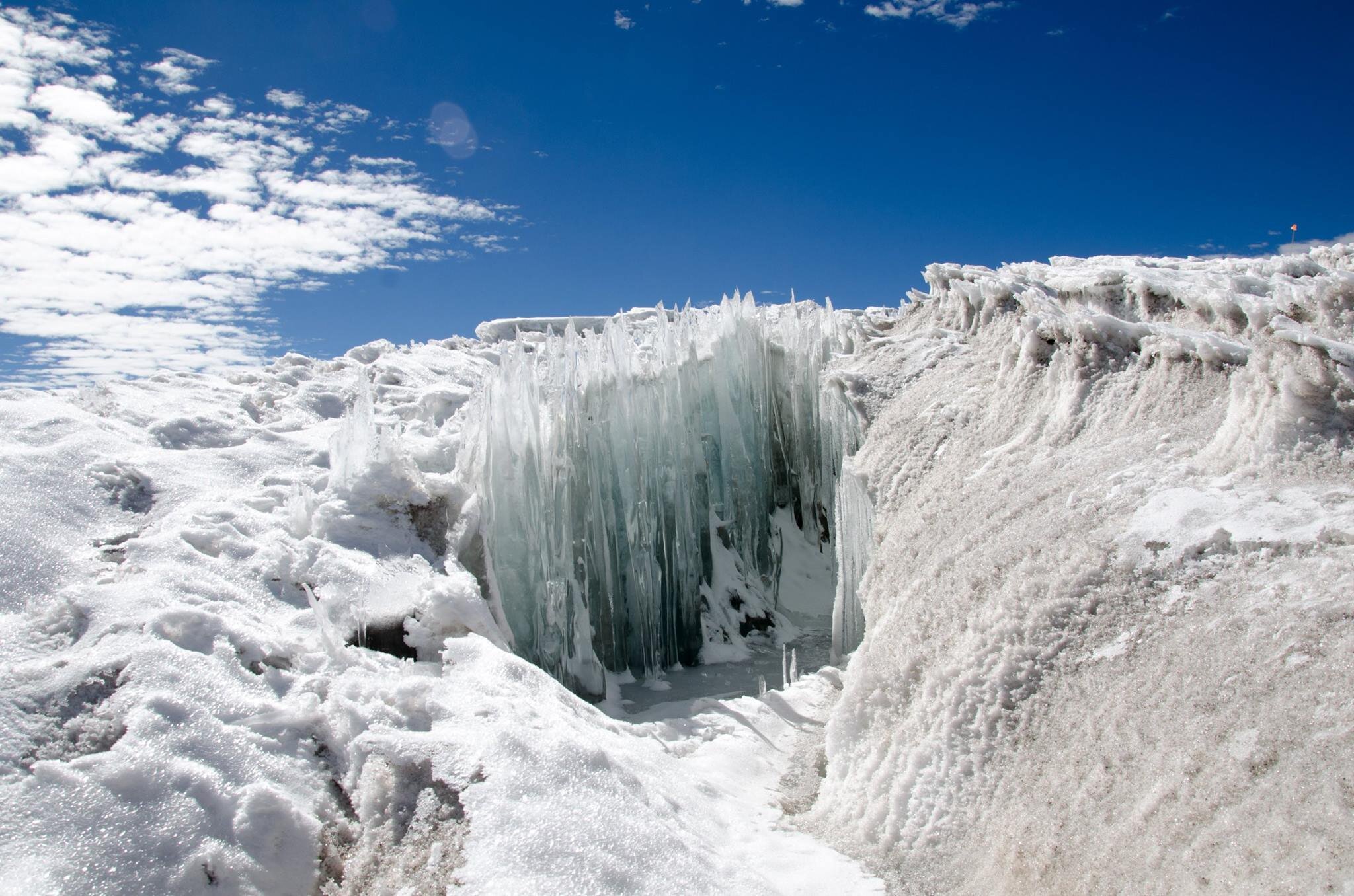
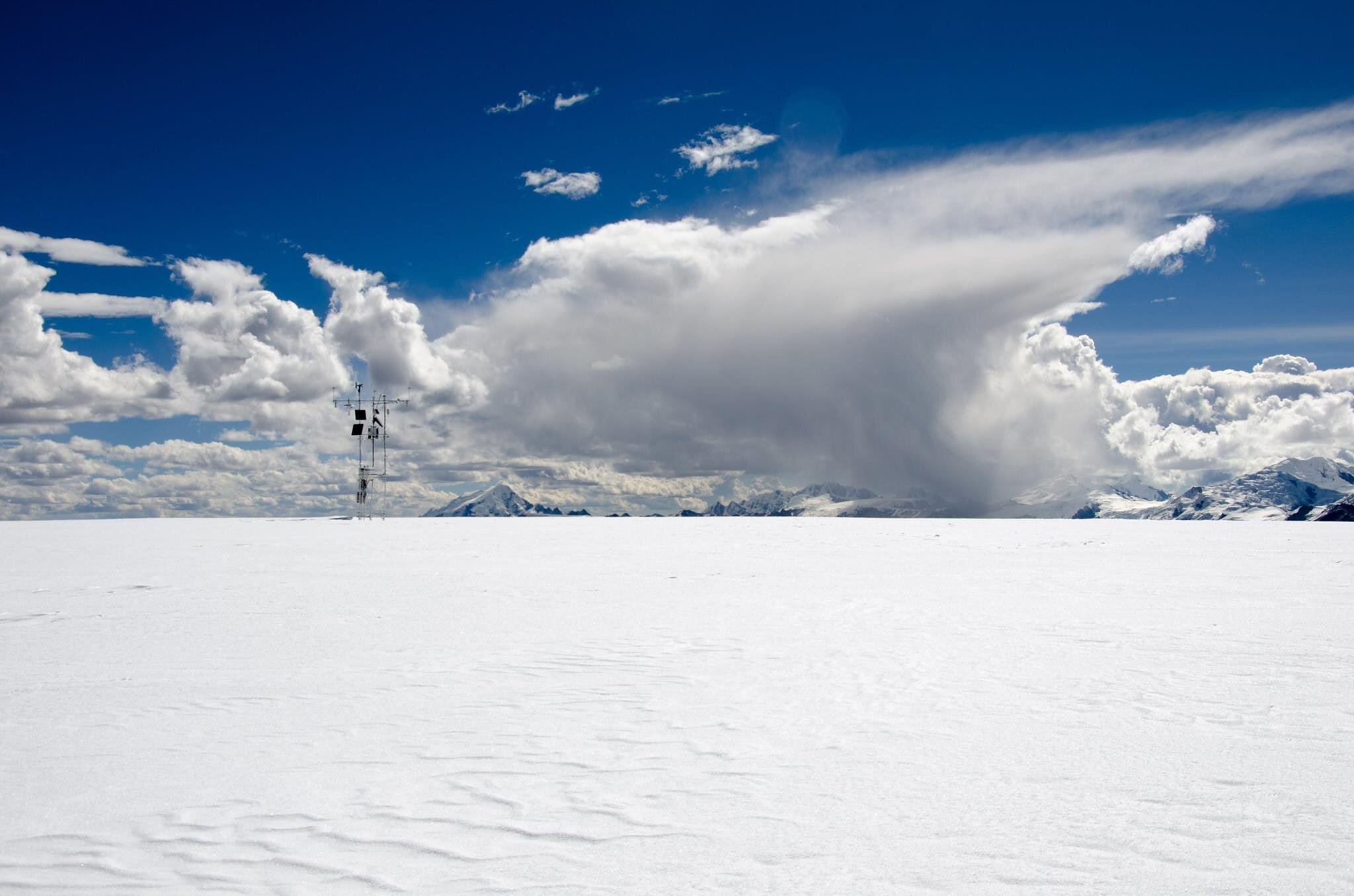
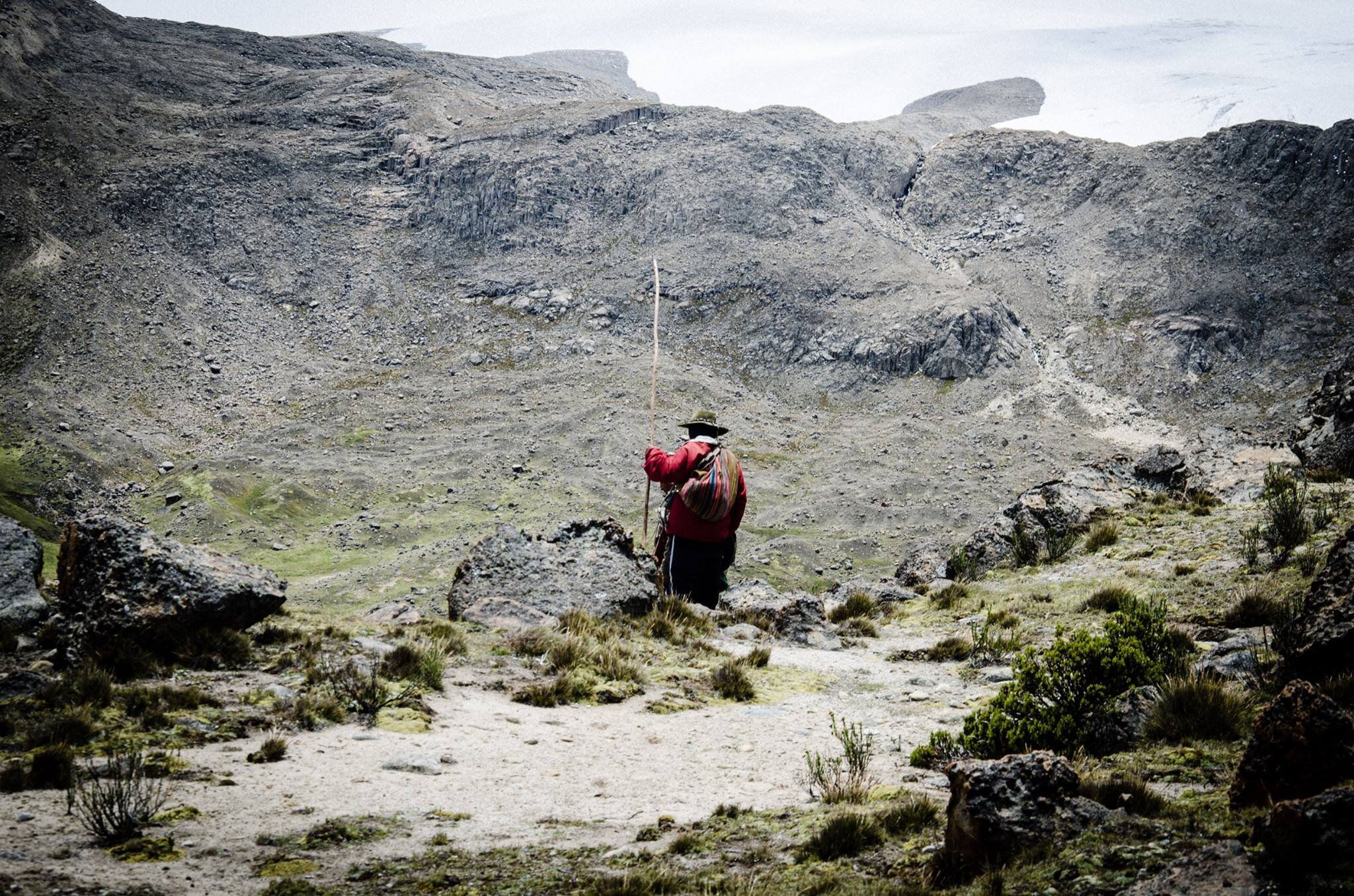
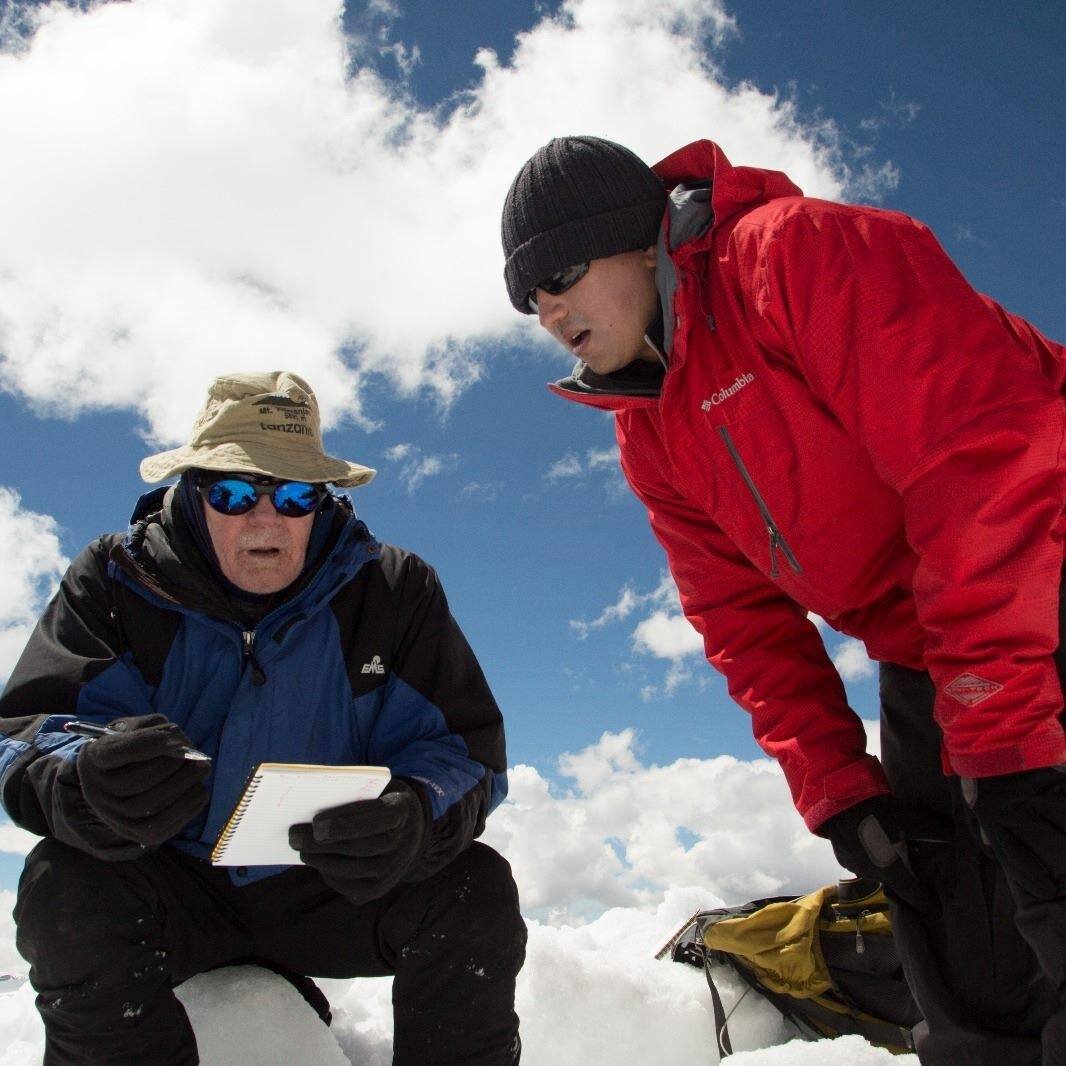
For almost a decade anthropologist Gustavo Valdivia (PE) has been ethnographically exploring the worlds that are emerging in the high Andes of Peru as the Anthropocene unfolds. His work is principally based in the Quelccaya, the largest tropical glacier on the planet, and articulates an eclectic body of theory, methods, and practices to provide an ethnographically grounded account of those significative moments in which Nature challenges human comprehension and control. This project, which he started as a Ph.D. student at the Anthropology Department at The Johns Hopkins University, has led him to carry out long-term fieldwork among indigenous alpaca herders, collaborate as a field assistant in 5 scientific expeditions to obtain ice cores from the Quelccaya’s summit, work as a field producer for the documentary BBC series Frozen Planet, and participate as a chapter scientist in the Intergovernmental Panel on Climate Change’s (IPCC) Sixth Assessment Report (AR6). In 2014, together with Tomás Tello –an experimental musician living in Portugal— he founded the Sonic Melting collective to start producing a set of field recordings of the ice of the Quelccaya as it melts. These recordings offer a sonic narration of Valdivia’s encounter with the Quelccaya that seeks to present an alternative approach to the complexity of the Anthropocene: namely, one which is not limited by visuality. His work on sound includes collaborations with various sound artists including Stuart Hyatt, Kaitlyn Aurelia Smith, Gazelle Twin, and Mary Lattimore, and has been featured in Motherboard – Vice, The Wire Magazine, GlacierHub, and other media.